Hidden Roof Design for Flat Roof in Nigeria (Cost, Types & Construction Guide)
Table of Contents
If you’ve spent time around new builds in places like Lekki, Abuja, or even fast-developing outskirts, you’ll notice something subtle: many houses look flat from the outside, yet you rarely see water ponding or roofing sheets exposed. That’s not by accident, that’s a hidden roof design at work.
From a construction standpoint, this approach is less about aesthetics alone and more about control, controlling water, heat, durability, and long-term maintenance. When done right, it gives you that clean, modern look without sacrificing performance. When done poorly, it becomes one of the fastest ways to introduce leaks into a building.
Let’s break it down properly, the way we’d explain it on-site.
What Is a Hidden Roof Design?
A hidden roof design is a roofing system where the actual roof structure (usually a sloped roof) is concealed behind parapet walls or elevated фасcias, giving the illusion of a flat roof.
On-site reality:
What looks “flat” is rarely flat.
In practice, we always introduce a slope (minimum 3–5°) behind the parapet to direct water to drainage points. The outer wall simply hides that slope.
Types of Hidden Roof Designs Used in Nigeria
1. Hidden Roof Design for Flat Roof Structures
This is the most common approach in urban residential construction.
How it’s built:
- Reinforced concrete slab or timber roof structure
- Roofing sheets (long span aluminium or stone-coated)
- Parapet wall around perimeter
- Internal drainage system (gutters hidden inside)
What we often see on-site:
Clients assume it’s a true flat slab roof. It’s not. Even with concrete roofs, we still introduce slope using screed or tapered insulation.
2. Simple Hidden Roof Design
This works well for budget-conscious projects.
Characteristics:
- Minimal parapet height
- Basic roofing sheets underneath
- Limited design complexity
Engineer’s insight:
If you're trying to save cost, don’t compromise on waterproofing and drainage. That’s where failures happen, not in the visible finish.
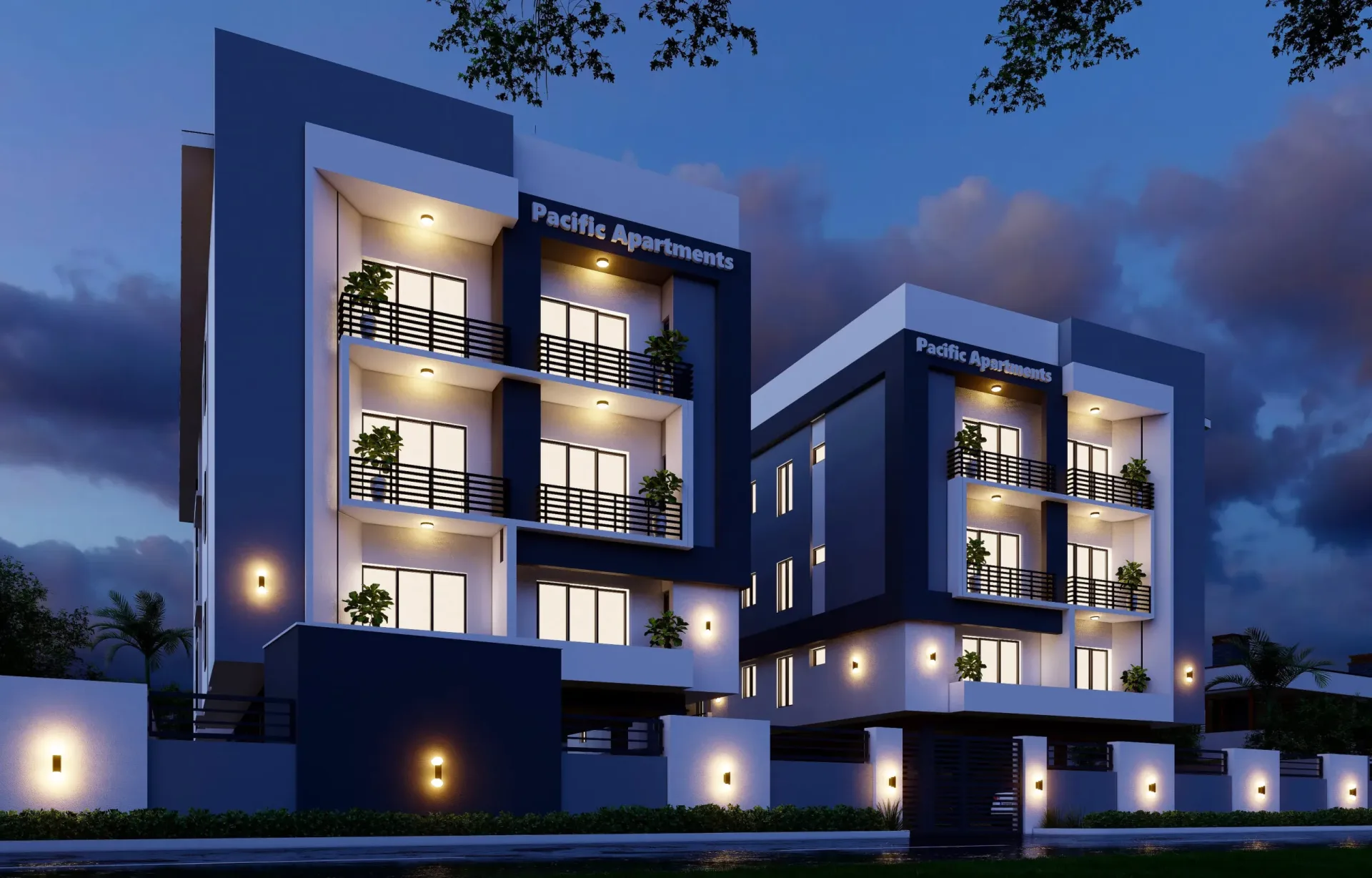
3. Modern Hidden Roof Design in Nigeria
This is where architecture meets branding.
Features:
- Clean horizontal lines
- Integrated lighting in parapet walls
- Combination of concrete, glass, and cladding
Trade-off:
You gain aesthetics, but you must handle:
- Heat buildup
- Complex drainage detailing
- Higher construction cost
4. Small Modern Hidden Roof Design (Compact Homes)
Ideal for:
- Bungalows
- Rental units
- Starter homes
Real-world note:
On smaller buildings, poor slope design becomes more obvious because water has fewer escape paths. You need precise fall direction, no guesswork.
Hidden Roof Construction: How It’s Actually Done
Let’s walk through it the way we’d execute it on a site.
Step 1: Structural Base
- Concrete slab or timber truss
- Ensure load calculations are correct (especially for parapet walls)
Step 2: Roof Framing
- Timber or steel rafters introduced at a slope
- Covered with roofing sheets
Step 3: Parapet Wall Construction
- Built above roof level to conceal structure
- Must include weep holes or drainage outlets
Step 4: Waterproofing
- Bituminous membrane or liquid waterproofing
- Flashing at wall–roof junctions
Step 5: Drainage System
- Internal gutters
- Downpipes concealed within walls
Common Mistakes in Hidden Roof Construction
From experience, these are the issues that cause 80% of failures:
1. Poor Drainage Planning
Water has nowhere to go → leakage starts within months.
2. No Proper Slope
Flat surfaces collect water. Even slight depressions become problem zones.
3. Weak Waterproofing
Contractors skip proper membrane installation to cut cost.
4. Blocking of Internal Gutters
Debris buildup = overflow into ceilings.
5. Low Parapet Height
During heavy rain, water can splash over into the building.
Cost Implications in Nigeria
Hidden roofs are not always cheaper, even if they look simple.
What increases cost:
- Parapet wall construction
- Waterproofing materials
- Skilled labour for detailing
- Drainage systems
Rough insight:
A hidden roof system can cost 10–25% more than a conventional visible roof, depending on finishing and complexity.
Safety and Durability Considerations
On-site, safety is not optional, it’s part of design.
Key things we insist on:
- Proper edge protection during construction
- Strong parapet reinforcement
- Fire-resistant roofing materials where possible
- Easy maintenance access (often ignored)
Materials Commonly Used
- Long-span aluminium roofing sheets
- Stone-coated roofing tiles
- Reinforced concrete slabs
- Bituminous waterproofing membranes
- PVC or aluminium drainage pipes
Insider tip:
Don’t mix low-quality pipes with a premium roof system. Drainage failure is usually not from the roof, it’s from the pipes.
When Should You Choose a Hidden Roof?
It makes sense when:
- You want a modern architectural look
- You’re building in urban areas with design expectations
- You can afford proper detailing and maintenance
Avoid it if:
- Budget is extremely high
- You don’t have access to skilled workmanship
- Maintenance will be neglected
Final Thoughts
Hidden roof design looks clean and modern, but it’s not forgiving. It demands precision, especially in drainage and waterproofing.
On a well-managed site, it performs beautifully for years. On a rushed project, it becomes a maintenance headache almost immediately.
If there’s one takeaway from experience, it’s this:
You don’t see the roof, but you’ll definitely feel it if it fails.